Austin Concrete Slabs
Slabs, Pads & Footings, TX
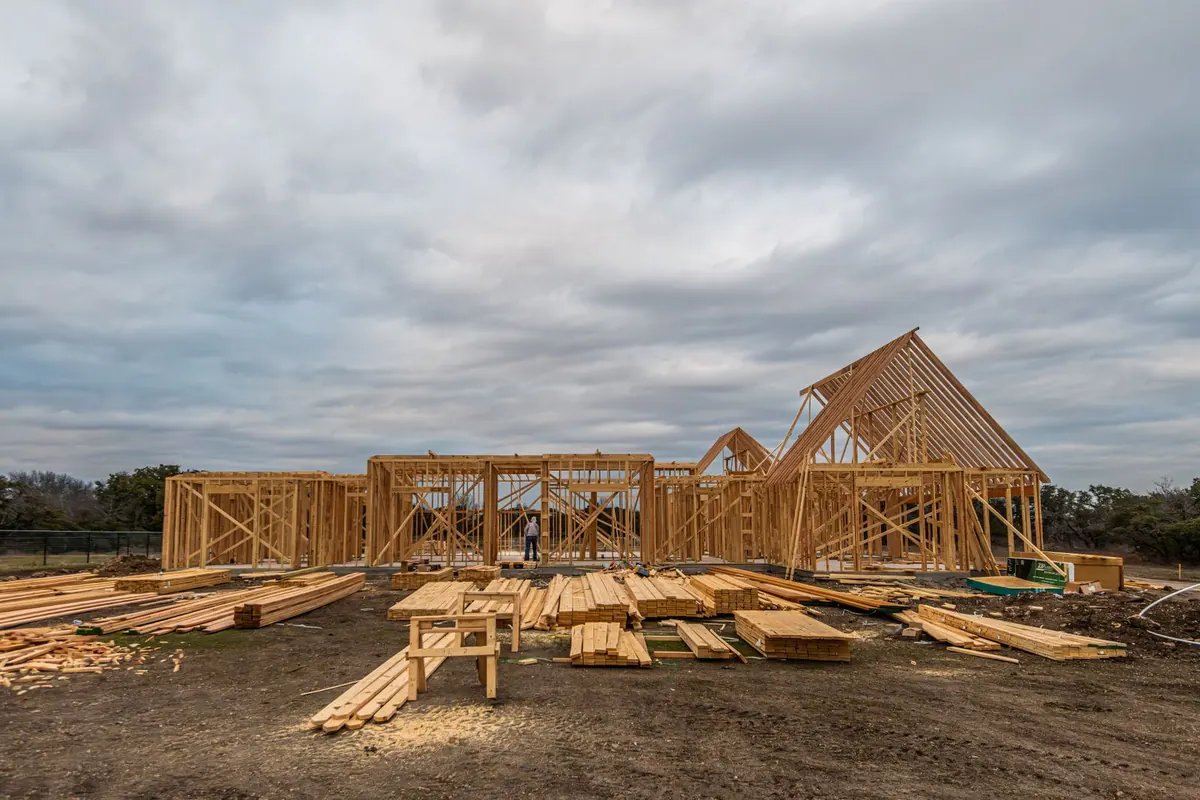
Wood framing of a new house on a slab site in Fort Worth, Texas
Foundations

Slab vs Pier and Beam Foundations in Austin

Slab vs pier and beam foundations in Austin comes down to cost, soil and access. A slab-on-grade is cheaper and, engineered for Austin clay, a sound choice; pier and beam raises the floor on piers, costs more and gives you a crawl space to reach plumbing. This guide compares the two on Austin's expansive clay and limestone.

  • Cost per sq ft
  • Clay and limestone
  • Plumbing access
  • Additions and mixes
Get a Free Quote

Last reviewed October 2026.

Slab vs pier and beam foundations in Austin, side by side

Slab-on-grade and pier and beam compared
Slab-on-gradePier and beam
How it worksConcrete floor with thickened beams, poured on the groundFloor framing on beams, carried by piers down to firmer soil
Cost (Fixr, national, Feb 2026)$4 to $12 per sq ft$6 to $15 per sq ft
On expansive clayEngineered to move as one stiff piece (IRC R403.1.8)Piers reach below the most active soil; floor sits above it
On shallow limestoneBeams cut into rockPiers bear on rock
Plumbing accessThrough the slabFrom the crawl space
Moisture control10-mil vapor retarder under living space (R506.2.3)Crawl space ground cover and ventilation
Floor heightClose to gradeRaised, with steps up
UpkeepGrading and drainage around the slabCrawl space, piers and shims checked over time

Swipe the table sideways to see every column →

Fixr, Cost to Build Concrete Foundation (updated February 13, 2026). Code sections from Austin's adopted 2021 residential code.
Crawl space under a house with plumbing pipes over bare soil
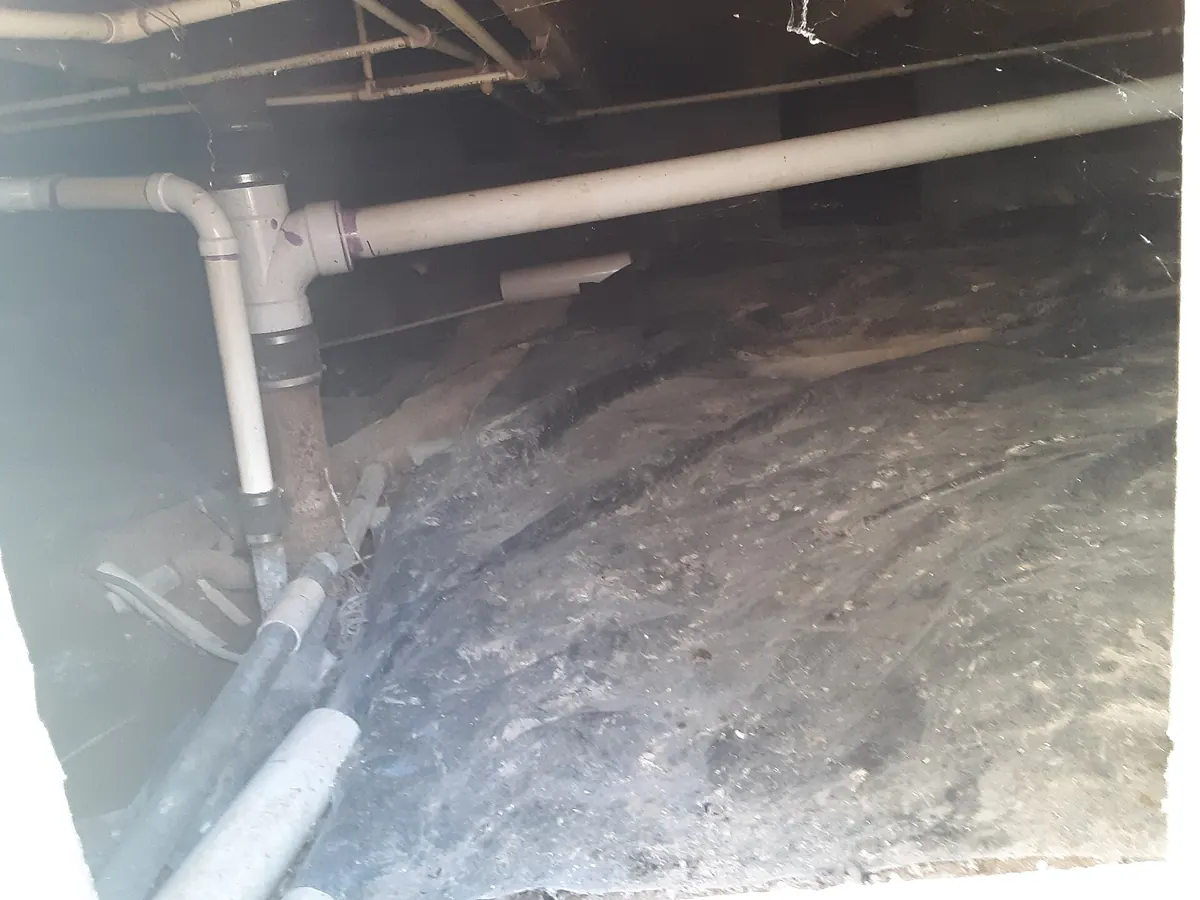
Inside a crawl space: pipes, joists above and bare soil below. Wikimedia Commons, CC BY-SA 4.0.

What Austin's ground means for each

Blackland Prairie clay

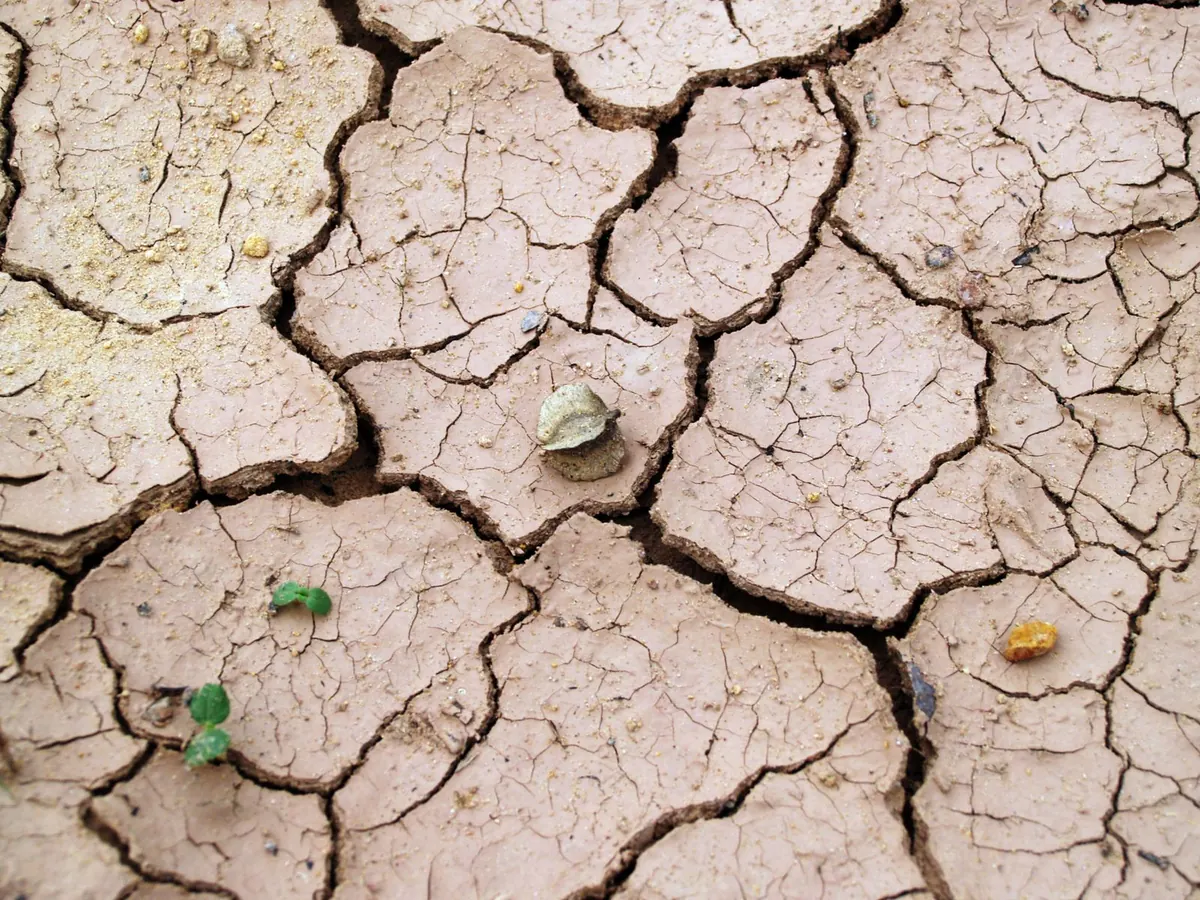
Houston Black, the Texas state soil, is the defining ground on the Blackland Prairie side of Austin. The USDA describes it as very deep clay with very slow permeability that cracks half an inch to 4 inches wide in dry weather, and the Texas Water Development Board's state soil sheet says its shrink-swell moves building foundations and buckles roads. Both foundation types work here only when they are designed for that movement.
Dry clay soil split into deep shrinkage cracks
Clay soil cracking as it dries. The USDA says Houston Black clay, common on the Blackland Prairie side of Austin, opens cracks up to 4 inches wide. Stock photo, not a job by this site.

Hill Country limestone

In the Hill Country, the Eckrant series puts hard limestone 4 to 20 inches down. Rock is excellent bearing, which takes much of the clay worry away, but it makes digging beams or pier holes slow and expensive.

Cost on a typical Austin footprint

Foundation cost on a 2,000 sq ft footprint (computed from Fixr national ranges)
FoundationRate2,000 sq ft
Slab-on-grade$4 to $12$8,000 to $24,000
Monolithic slab$4 to $16$8,000 to $32,000
Stem wall slab$6 to $18$12,000 to $36,000
Pier and beam$6 to $15$12,000 to $30,000
Crawl space$10 to $18$20,000 to $36,000

Swipe the table sideways to see every column →

National ranges; for an Austin-modelled slab figure, slabcalc.co puts slab foundations at $10.26 to $18.45 per sq ft (October 2026). Engineering, soil reports and plumbing are extra in every case.

Which one fits your project

  • New house or ADU on a typical city lot: an engineered slab is the lower-cost route (Fixr)
  • Lot with a steep slope: pier and beam or a stem wall can avoid big fills
  • Addition to an older raised house: match the floor height, with an engineer's detail at the joint
  • Lot with shallow limestone: either works on rock; dig costs drive the choice
  • Plumbing you expect to change often: a crawl space is easier to work in
House framing standing on a concrete slab foundation in The Colony, Texas
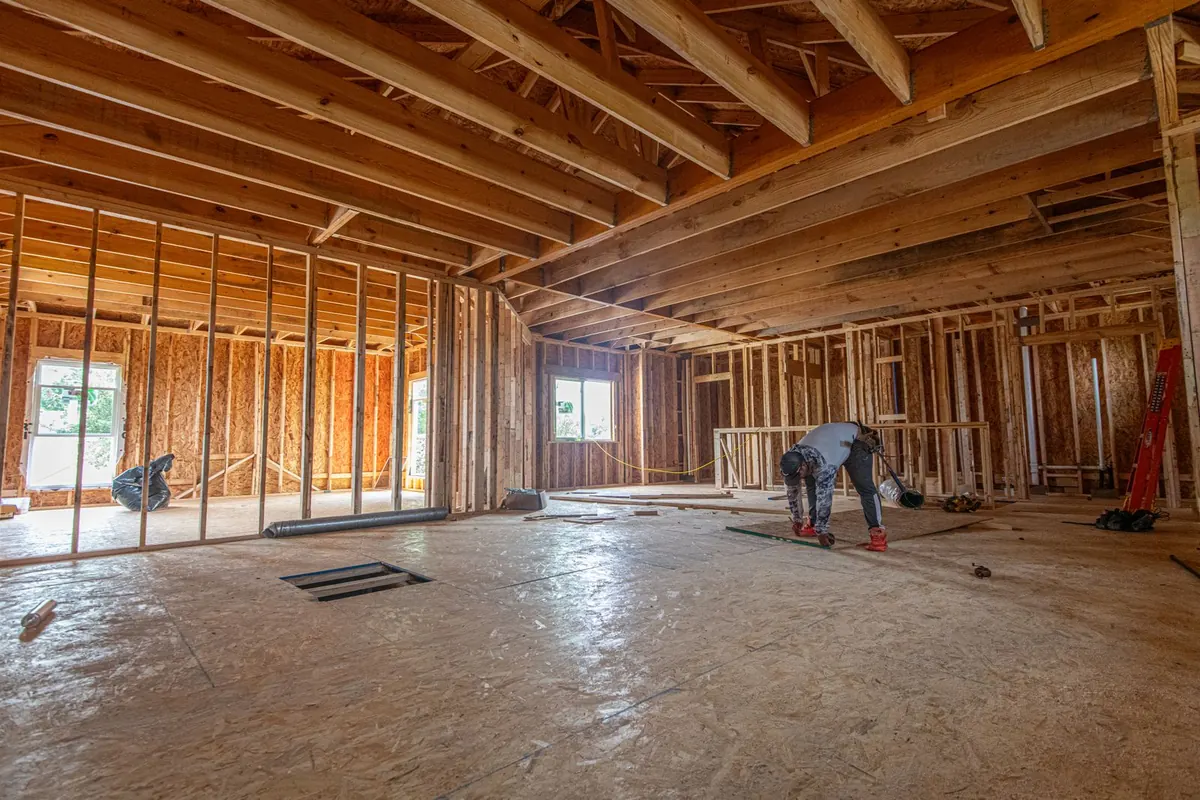
Framing on a finished slab foundation in The Colony, Texas, the way most new Texas houses go up. Stock photo, not a job by this site.
Request a Free Quote

Four fields. Free, and nothing is committed.

Slab vs Pier and Beam in Austin: Frequently Asked Questions

Is pier and beam better than slab in Texas?

Neither wins everywhere. A slab-on-grade costs less, per Fixr's national figures ($4 to $12 per sq ft against $6 to $15 for pier and beam), and handles clay when it's engineered. Pier and beam lifts the house off the ground and gives access to plumbing, at a higher cost and with a crawl space to maintain.

Which foundation is cheaper in Austin?

Slab-on-grade, in the national numbers: Fixr puts slab-on-grade at $4 to $12 per square foot and pier and beam at $6 to $15 (February 2026). On a 2,000 square foot footprint that is $8,000 to $24,000 against $12,000 to $30,000, before Austin soil, engineering and access costs.

How does expansive clay affect each foundation?

On clay that swells and shrinks, a slab is designed stiff enough to move as one piece, with deep beams or post-tension tendons. A pier and beam house rests on piers that should reach soil below the most active zone, and the floor framing sits above the ground.

Can you fix plumbing under a slab?

Yes, but it means cutting or tunneling. That's the main maintenance advantage of pier and beam: pipes run through a crawl space you can get to.

Does a pier and beam house need a vapor barrier?

The crawl space usually gets a ground cover and ventilation or conditioning under the IRC; the slab vapor retarder rule in R506.2.3 applies to slabs. Moisture control works differently for each.

Can an addition on a slab join a pier and beam house?

It can, but the two move differently on clay, so the joint between them needs an engineer's detail. Ask about it before the addition's foundation is designed.

Leaning toward a slab?

Send the plan and the address for a free slab foundation quote.

Get a Free Quote
Free Quote